Harap untuk tidak pernah menghiraukan jika ada chat dari WA mengaku dari admin kami dan meminta untuk trf ke rekening tertentu,terima kasih
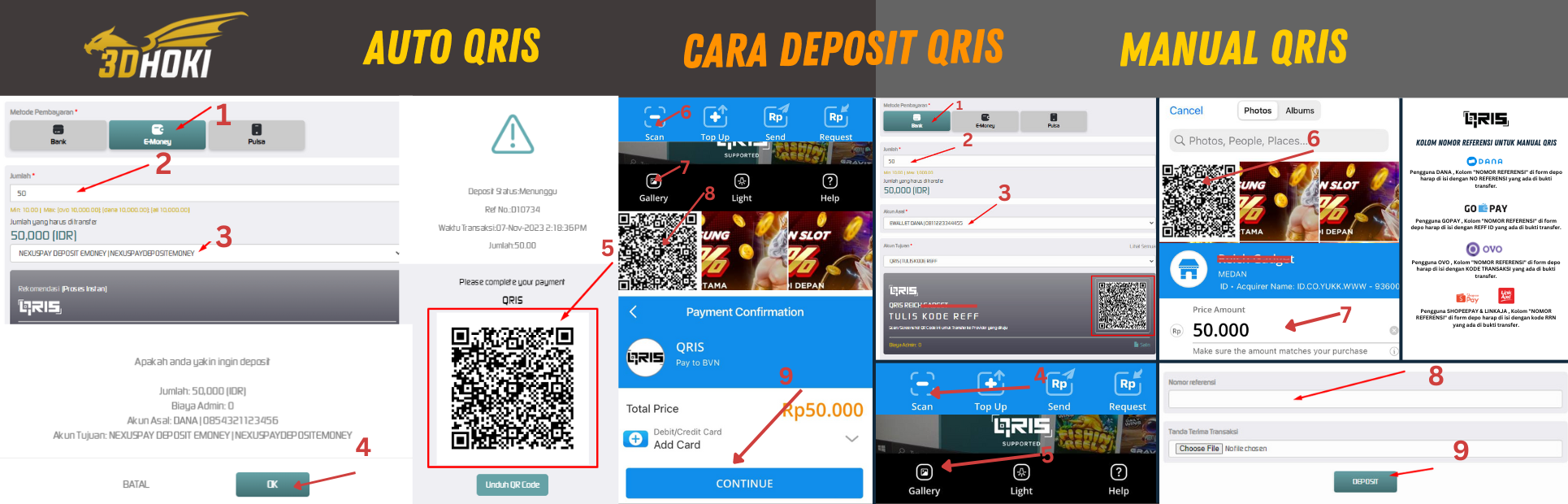
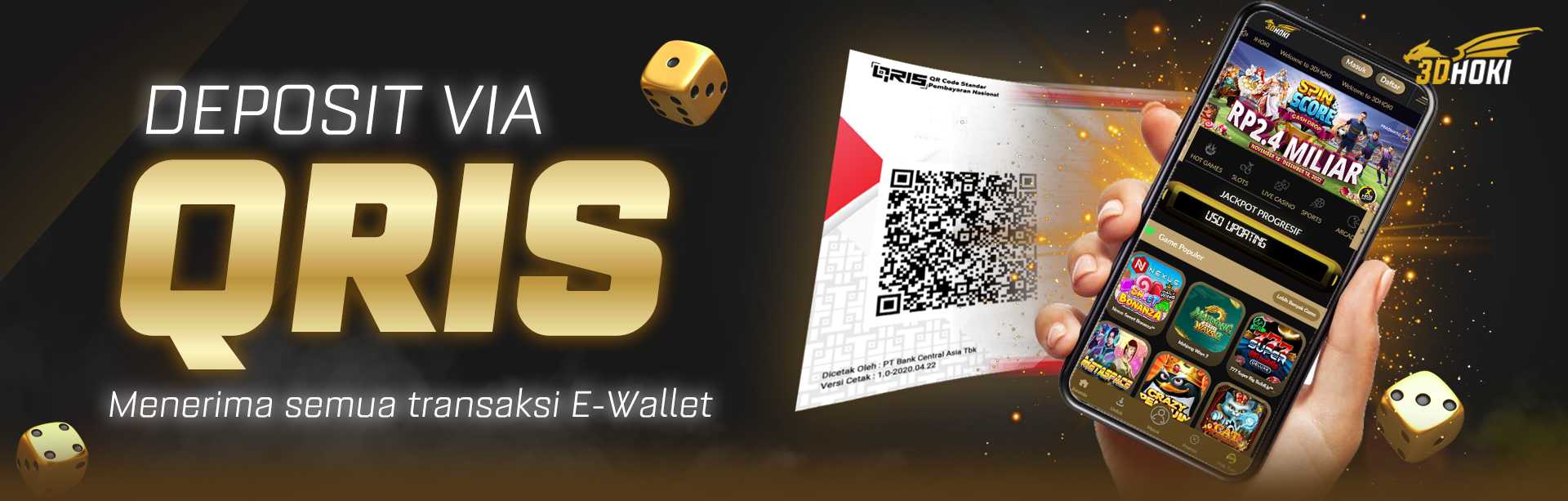
Deposit saat bank offline bisa melalui QRIS, hubungi livechat kami untuk info lebih lanjut
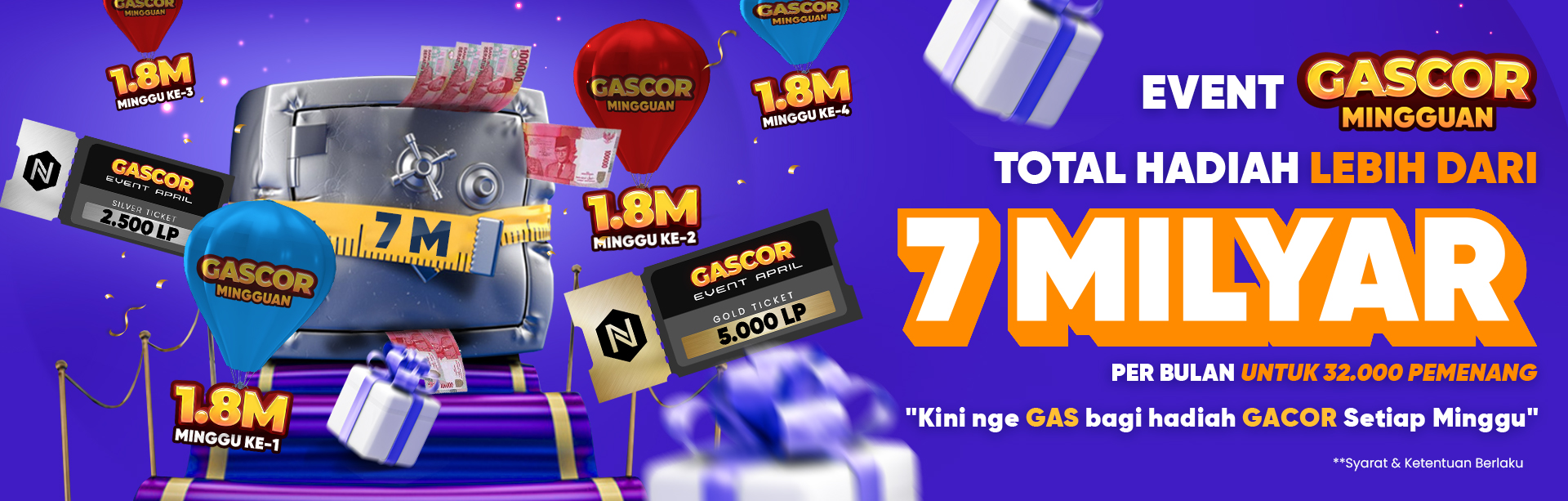
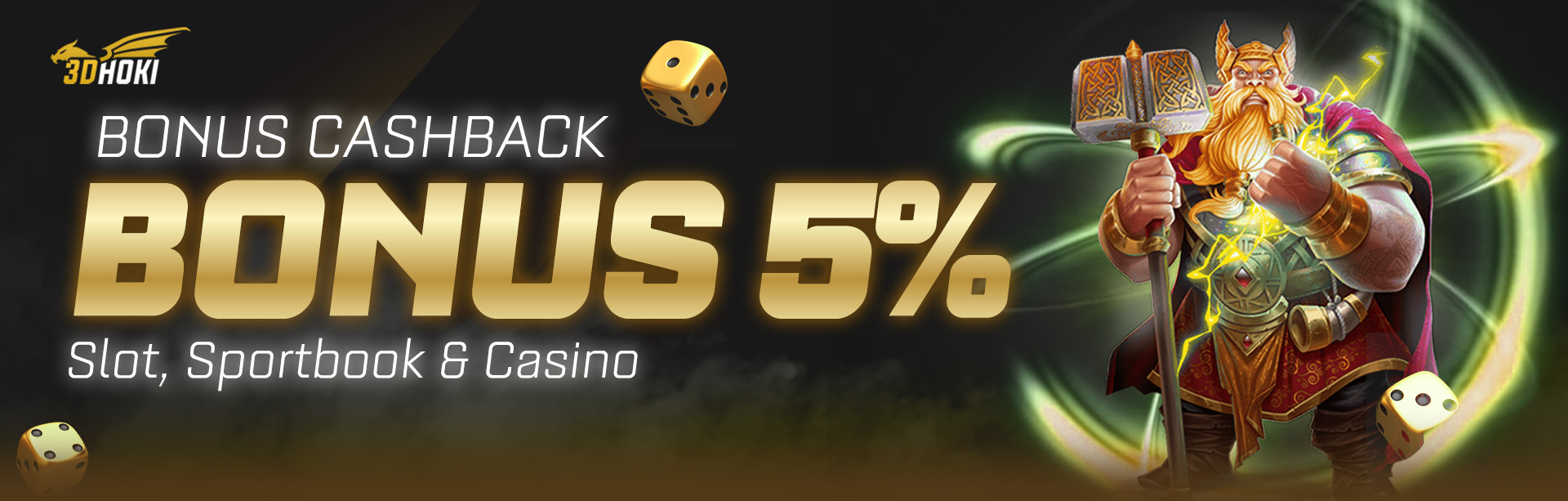
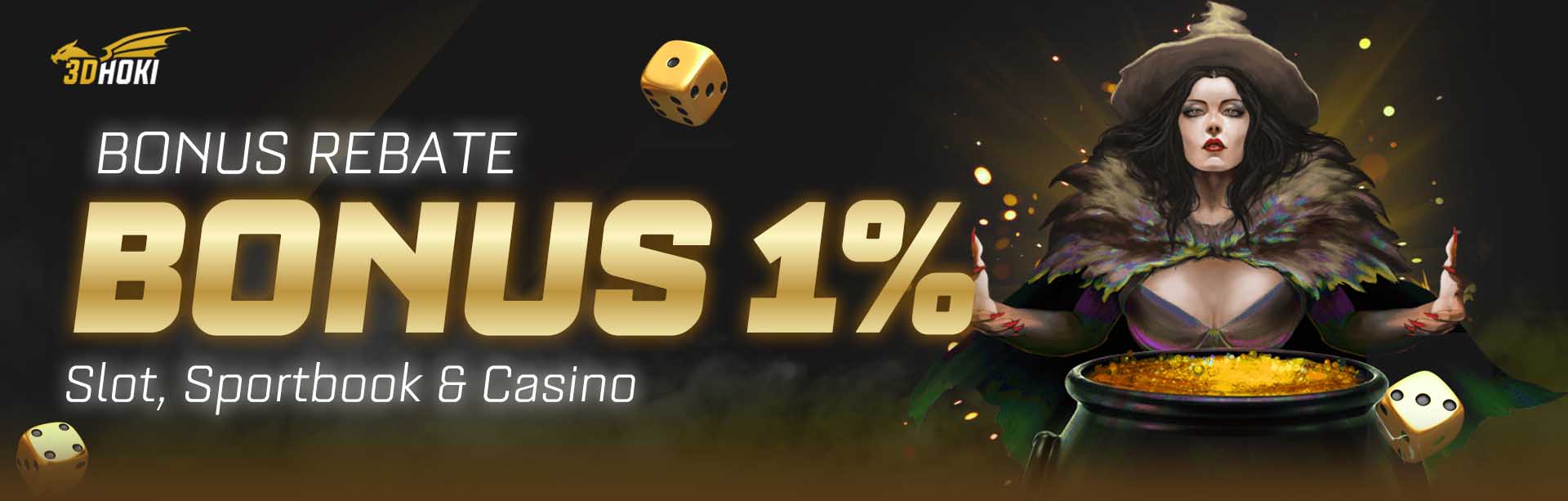
Cuman di 3DHOKI.com yg kasi promo terbaik CASHBACK 5%, Rollingan 1%, Menang Kalah tetep CUAN!
Welcome to 3DHOKI, MINIMAL DEPO 20.000 MINIMAL WD 50.000, Buruan ditunggu DPnya boskuu
Pemeliharaan Terjadwal: Playtech pada 2023-11-30 dari 11.00 PM sampai 2024-05-30 12.29 AM (GMT + 7). Selama waktu ini, Playtech permainan tidak akan tersedia. Kami memohon maaf atas ketidaknyamanan yang mungkin ditimbulkan.
Pemeliharaan Terjadwal: PP Virtual Sports pada 2023-10-13 dari 5.00 PM sampai 2024-06-13 6.30 PM (GMT + 7). Selama waktu ini, PP Virtual Sports permainan tidak akan tersedia. Kami memohon maaf atas ketidaknyamanan yang mungkin ditimbulkan.
Pemeliharaan Terjadwal: Pinnacle pada 2023-08-08 dari 12.45 PM sampai 2024-07-01 12.30 AM (GMT + 7). Selama waktu ini, Pinnacle permainan tidak akan tersedia. Kami memohon maaf atas ketidaknyamanan yang mungkin ditimbulkan.
Pemeliharaan Terjadwal: Pinnacle E-Sports pada 2023-08-08 dari 12.45 PM sampai 2024-07-01 12.30 AM (GMT + 7). Selama waktu ini, Pinnacle E-Sports permainan tidak akan tersedia. Kami memohon maaf atas ketidaknyamanan yang mungkin ditimbulkan.
Pemeliharaan Terjadwal: Crowd Play pada 2023-11-30 dari 7.00 AM sampai 2024-06-07 11.30 PM (GMT + 7). Selama waktu ini, Crowd Play permainan tidak akan tersedia. Kami memohon maaf atas ketidaknyamanan yang mungkin ditimbulkan.
Pemeliharaan Terjadwal: IM Esports pada 2024-04-22 dari 6.16 AM sampai 2024-04-29 7.16 AM (GMT + 7). Selama waktu ini, IM Esports permainan tidak akan tersedia. Kami memohon maaf atas ketidaknyamanan yang mungkin ditimbulkan.


 Instalasi Android